Programme / session 3C

Resilience finance at scale: country platforms in fragile contexts
11:30 – 13:00
in
Bridge room
Challenge session
This session will highlight how nationally led platforms can link climate finance, debt solutions and social protection to build resilience in climate-vulnerable and particularly fragile and conflict-affected countries. With insights from Somalia, Mali and beyond, it will showcase innovative, locally-led financing approaches that strengthen systems and support food security.
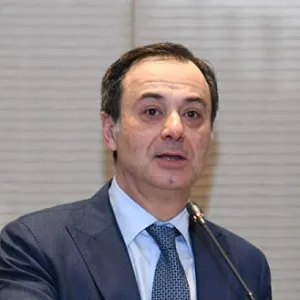
Image
Head and shoulders photo of Simon Lucas.
Simon Lucas
Head of profession for climate environment infrastructure and energy
UK Foreign, Commonwealth and Development Office
Image
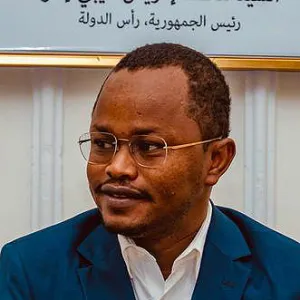
Head and shoulders photo of Bakhit Djamous Hassan.
Bakhit Djamous Hassan
Minister of Environment
Republic of Chad
Image
Head and shoulders photo of Elshad Iskandarov.
Ambassador Elshad Iskandarov
Senior advisor to COP29
Azerbaijan government
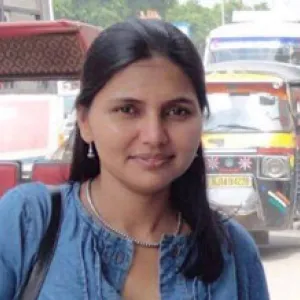
Image
Head and shoulders photo of Ritu Bharadwaj
Ritu Bharadwaj
Director, climate resilience, finance and loss and damage/ALL ACT
International Institute for Environment and Development
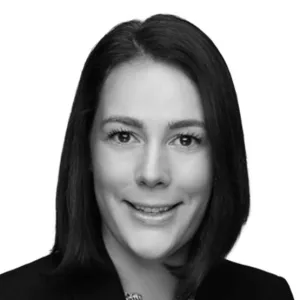
Image
Head and shoulders photo of Henrietta Southby.
Henrietta Southby
Head of implementation
Humanity Insured
Image
Head and shoulders photo of Sophie Evans.
Sophie Evans
Associate director
Centre for Disaster Protection
Image
Head and shoulders photo of Lindsey Paul Jones.
Lindsey Paul Jones
Senior climate change specialist
The World Bank
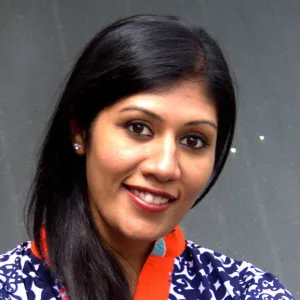
Image
Head and shoulders photo of Ajaita Shah.
Ajaita Shah
Founder/CEO
Frontier Markets
Image
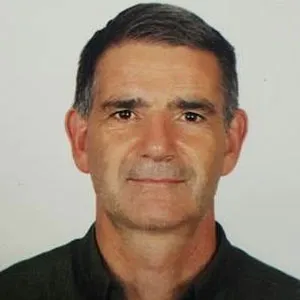
Head and shoulders photo of Michael Hugman.
Michael Hugman
Lead economist and global director for climate
Children’s Investment Fund Foundation
Image
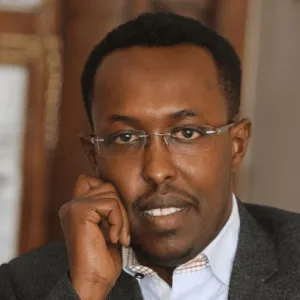
Head and shoulders photo of Abdihakim Ainte.
Abdihakim Ainte
Director, food security and climate change
Office of the Prime Minister, government of Somalia

This session explores how nationally led platforms can align climate finance, debt solutions and social protection to build resilience in climate-vulnerable countries, and particularly fragile and conflict-affected countries. 

Drawing on grounded experiences from Somalia, Mali and broader global evidence, it will showcase how innovative financing approaches, such as anticipatory social protection, blended finance and the Global Small Island Developing States Debt Sustainability Support Service, can strengthen delivery systems, unlock private investment and promote food security. 

Through practical examples and forward-looking dialogue, the session will identify system-wide gaps, and demonstrate the value of integrated, locally-led, and conflict-sensitive finance for resilience in least developed countries and fragile settings. 

Related reading

Speaker Ritu Bharadwaj co-authored an article earlier this year examining how locally-led country platforms could address the climate-finance gap, and she was also the lead author on two papers published in April looking at tackling climate, debt and food insecurity in Somalia and how currency fluctuations and climate risks impact debt sustainability in Small Island Developing States and least developed countries.